
Fort Lauderdale citizenship & naturalization lawyer.
You have built a life here. You have held your green card, paid your taxes, and made South Florida your home. Becoming a U.S. citizen is the last step — and it is a big one. Lisa Marie Santamarta is dedicated to helping families like yours through the immigration system, and he will sit down with you, review your case before you file, and help you reach your citizenship the right way.
- 40+ yearsserving South Florida
- $100M+ recoveredfor Florida accident victims
- Personal attentionyou work with the attorney
Your Fort Lauderdale citizenship lawyer
A Fort Lauderdale citizenship lawyer helps lawful permanent residents — green-card holders — take the final step and become U.S. citizens through a process called naturalization. Lisa Marie Santamarta guides Broward County families through the citizenship application, prepares them for the interview and test, and stands with them all the way to the Oath of Allegiance.
Naturalization is how a green-card holder becomes a citizen of the United States. You file an application with U.S. Citizenship and Immigration Services (USCIS), you go to an interview, you pass an English and civics test, and you take an oath. When it is done, you are a citizen — with the right to vote, to carry a U.S. passport, to petition for your own family members, and to live here without fear of losing your status.
This is federal law. It is handled by USCIS under a statute called the Immigration and Nationality Act, and the rules are the same whether you live in Fort Lauderdale, Miami, or anywhere else in the country. What changes from person to person is your history — how long you have held your green card, where you have traveled, your tax record, and whether anything in your past needs a careful second look before you apply.
For most people, naturalization is a happy, straightforward process. But it is not automatic, and the application asks hard questions about your travel, your taxes, and your record. Lisa Marie Santamarta serves South Florida's diverse communities. He reviews your case honestly before you file, tells you what to expect, and explains your fees up front — so you walk into your interview ready, not worried.
How naturalization works, step by step
Immigration is federal law, and your citizenship case moves through USCIS from start to finish. Here is the shape of the path — though every person's case has its own details we will walk through together.
Confirm you qualify, then file Form N-400
First we make sure you are eligible — the right time as a green-card holder, your travel, your record. Then you file Form N-400, the Application for Naturalization, with USCIS. We help you answer every question truthfully and completely, and gather the documents that back it up, so your application is right the first time.
Biometrics and the interview
USCIS takes your fingerprints and photo at a biometrics appointment, then schedules your interview. At the interview, an officer reviews your application with you under oath and gives the English and civics test. We help you prepare so the questions feel familiar, not frightening.
The decision and the Oath of Allegiance
If USCIS approves you, you are scheduled for a naturalization ceremony where you take the Oath of Allegiance. The moment you take that oath, you are a U.S. citizen. You receive your Certificate of Naturalization, and you can then apply for a U.S. passport.
This page provides general information about U.S. immigration matters and is not legal advice. Immigration law is federal and changes often; your specific situation requires a consultation.
What's involved, and who is eligible
Most green-card holders can naturalize once they meet a handful of requirements set by federal law. Understanding each one before you file is what keeps a good case from stalling — and it is exactly where a review with an attorney pays off.
Time as a green-card holder (the 5-year and 3-year rules). Most people can apply after holding a green card for five years. If you are married to and living with a U.S. citizen, you may be able to apply after three years instead. You also need to have lived in the state or USCIS district where you apply for a set period before filing. We confirm which rule fits you and the exact date you become eligible.
Continuous residence and physical presence. The law asks that you have kept the United States as your real, continuous home and that you have actually been here for enough of that time. Long trips abroad can break your continuous residence and reset the clock. If you travel often or have spent long stretches outside the country, this is one of the first things we review.
Good moral character. USCIS looks at your conduct, usually over the years right before you apply. Things like certain criminal history, failing to file or pay taxes, missed child-support payments, or — for men — not registering for the Selective Service can raise questions. Many of these can be addressed, but they need to be handled with care, before you file, not after.
The English and civics test, and the Oath. At your interview you generally must show you can read, write, and speak basic English, and pass a civics test on U.S. history and government. Some applicants qualify for an exception based on age and time as a resident, or for a disability accommodation. The process ends with the Oath of Allegiance — the moment you become a citizen.
Sorting out the timing, confirming your eligibility, and spotting any issue before USCIS does is where careful legal work matters most. Lisa Marie Santamarta also helps families with related matters — petitioning for relatives through family-based immigration once you are a citizen, and defending people facing deportation and removal when their status is at risk.
A steady hand for your citizenship case
Citizenship is one of the most meaningful steps you will ever take. You deserve a lawyer who treats it that way — and who looks honestly at your case before you ever file.
You work with the attorney. When you call DiStefano Law, you are not handed off to a case number. Lisa Marie Santamarta, Esq., handles your matter personally. She has practiced in South Florida since 2011, and she brings that steadiness to a process that can feel overwhelming.
An honest review before you file. The biggest mistakes in naturalization happen when someone applies without realizing a past trip, a tax problem, or an old record could cause trouble. We review your history first, tell you the truth about what we see, and only move forward when your case is ready.
Fees explained up front. Your first consultation is free and confidential. If we work together, your fee is clearly agreed and explained before anything begins — never a percentage of anything, and never a surprise. (Government filing fees are separate and set by the agencies that process your case, and we will tell you what to expect there too.)
No lawyer can promise a particular outcome in an immigration case — the decision rests with the federal government, and the law can change. What we promise is honest advice, careful preparation, and a real person who answers when you call. To see the full range of immigration help we offer, visit our immigration practice overview, learn more about Lisa Marie Santamarta, or simply reach out to our Fort Lauderdale office.
Citizenship and naturalization, answered
Am I eligible to become a U.S. citizen?
What is on the citizenship test?
Will my trips outside the U.S. hurt my application?
Can a criminal record block naturalization?
How long does the N-400 process take?
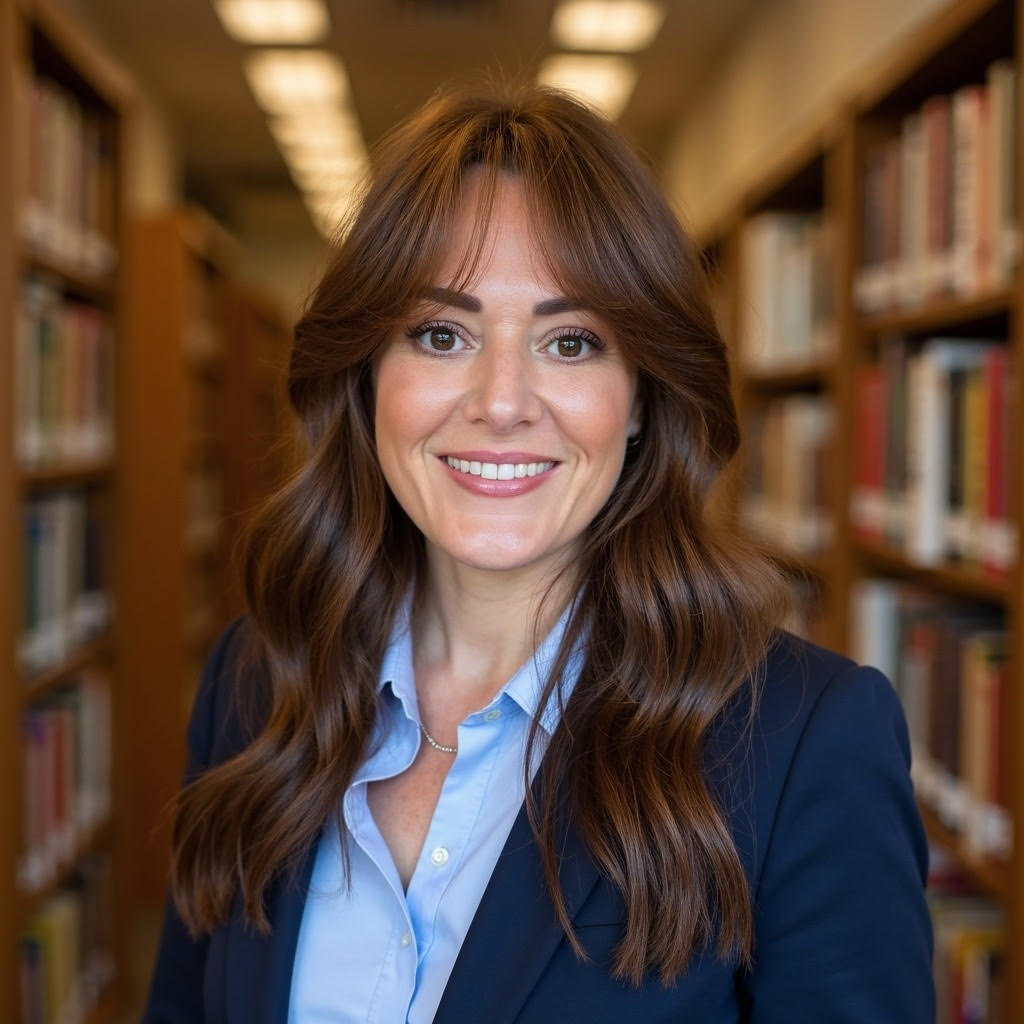 Lisa Marie Santamarta, Esq.
Work directly with Lisa Marie Santamarta
Bilingual — English & Spanish
Lisa Marie Santamarta guides individuals and families through the U.S. immigration system — green cards, citizenship, family-based petitions, work visas, and removal defense — and has practiced in South Florida since 2011.
Fluent in English and Spanish, she meets clients where they are and handles your matter personally, from the first consultation forward.
- Since 2011Florida attorney
- Immigration & PIpractice areas
- English & Spanishbilingual
Take the last step toward citizenship.
Your first consultation is free, and everything you tell us stays private. Call DiStefano Law to talk through your citizenship case with an attorney who handles your case personally, in English and Spanish. Or reach us through our contact page.
(954) 572-8000