

After a car accident in Florida, your first priority is safety, followed immediately by calling 911, documenting the scene, seeking medical care, and notifying your insurer. These steps protect your health and preserve your legal rights. Florida’s no-fault insurance system and strict filing deadlines make early action especially important for Broward County residents seeking fair compensation.
- Call 911 even if injuries appear minor — a police report is essential for any Florida insurance claim.
- Florida’s Personal Injury Protection (PIP) coverage requires you to seek medical treatment within 14 days of the accident or you may forfeit benefits.
- Document everything at the scene: photographs, witness contact information, and the other driver’s insurance details.
- Do not give a recorded statement to any insurance adjuster before consulting an attorney.
- Florida’s statute of limitations for most personal injury claims is two years from the date of the accident under Florida Statutes § 95.11.
Step One: Prioritize Safety at the Scene

If you are physically able, move your vehicle out of active traffic lanes and turn on your hazard lights. Check yourself and any passengers for injuries before exiting. Florida law requires drivers involved in a crash with injury, death, or significant property damage to remain at the scene until law enforcement arrives, as established under Florida Statutes § 316.062. Leaving prematurely — even briefly — can create serious legal complications.
Call 911 without delay. When officers arrive, provide factual information about what happened. Avoid speculating about fault or apologizing, as those statements can be used out of context during insurance negotiations or litigation. Request the officer’s name and badge number, and note the report number before leaving the scene.
Florida is a no-fault insurance state, which means your own PIP coverage pays your initial medical expenses regardless of who caused the crash. However, if you wait more than 14 days to seek medical care, you may lose access to those PIP benefits entirely. Do not delay treatment, even if you feel you can manage the pain.
Step Two: Gather Evidence While It Is Fresh

The documentation you collect in the minutes following a crash can determine the strength of your entire claim. Use your phone to photograph every vehicle involved, all visible damage, the road layout, traffic signals, skid marks, debris, and any visible injuries. Take wide shots to establish context and close-ups to capture detail.
Photograph the Scene
Capture all vehicles, road conditions, signage, damage, and injuries from multiple angles before anything is moved.
Exchange Information
Collect the other driver’s full name, license number, vehicle registration, and insurance company and policy number.
Identify Witnesses
Ask any bystanders for their names and phone numbers. Independent witness accounts can significantly support your account of events.
Request the Police Report Number
The official crash report is a foundational document for your insurance claim and any potential legal action. Keep the report number secure.
Write Down Your Own Account
As soon as possible — ideally within the hour — write a detailed narrative of what occurred while the memory is clear. Note the time, weather, road conditions, and the sequence of events.
Step Three: Seek Medical Attention Promptly
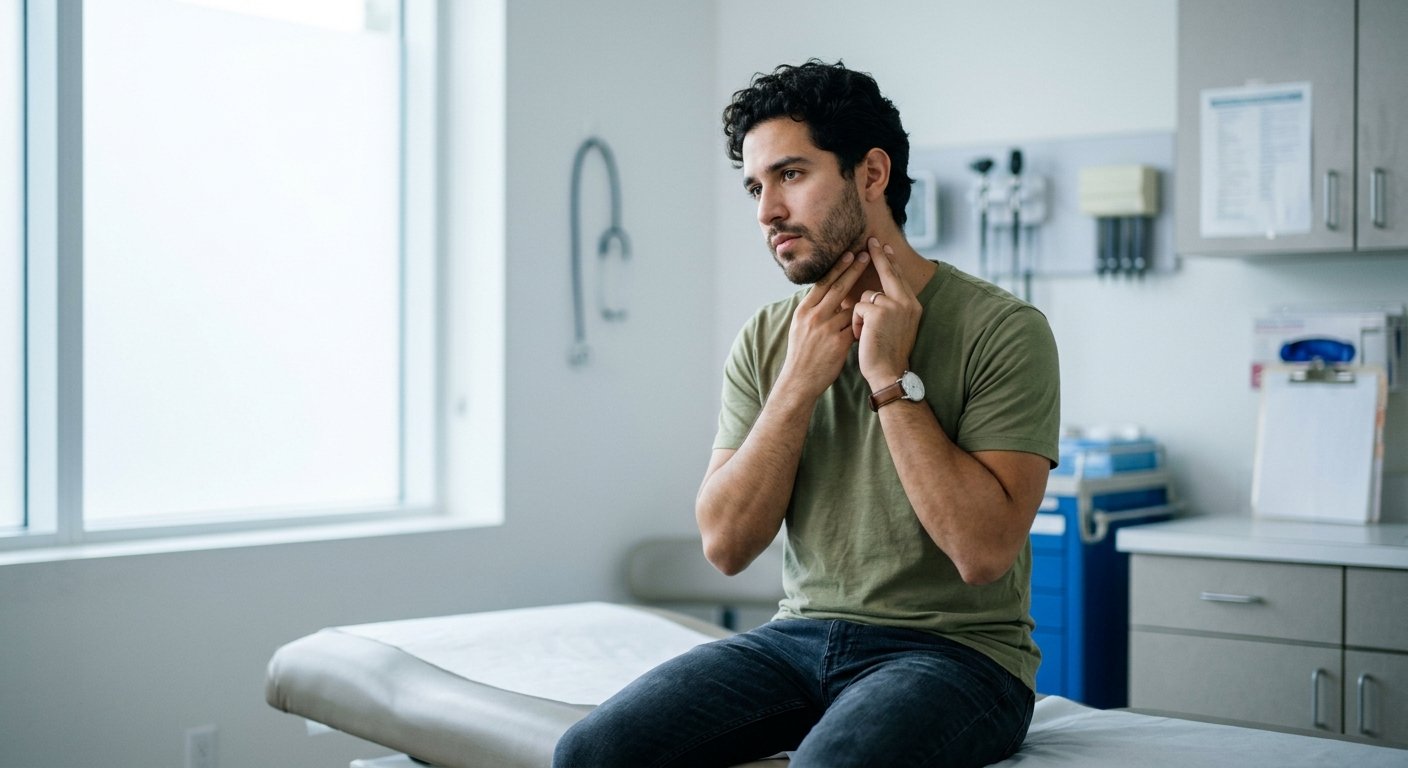
Many injuries common in car accidents — including whiplash, soft tissue damage, and mild traumatic brain injury — do not produce obvious symptoms immediately. The adrenaline present after a collision can mask pain for hours or even days. Visiting an emergency room, urgent care clinic, or your primary physician that same day serves two critical purposes: it addresses any underlying injury before it worsens, and it creates a contemporaneous medical record that links your condition to the accident.
For Florida PIP insurance purposes, the 14-day treatment window is not a guideline — it is a statutory requirement. Under Florida’s PIP law, failure to obtain initial treatment within that period forfeits your right to claim those benefits. Follow all physician recommendations, attend every follow-up appointment, and retain all medical records and bills.
A same-day medical visit both protects your health and creates the contemporaneous record that links your injury to the accident.
Step Four: Notify Your Insurance Company
Florida law and most auto insurance policies require prompt notification of a crash. Contact your insurer to report the accident, but keep the conversation brief and factual. Provide the date, location, and basic facts. You are not required — and it is generally not advisable — to give a detailed recorded statement to any insurer, including your own, before speaking with an attorney. Adjusters are trained to evaluate claims, and an offhand comment about your symptoms or your actions before the crash can affect how your claim is valued.
You have the right to decline a recorded statement request from an opposing insurer. Your own insurer’s policy may require a statement, so review your policy language carefully or ask a Florida personal injury attorney to assist you before you speak.
Understanding Florida’s No-Fault Insurance System
Florida operates under a no-fault framework, which means that after most car accidents, each driver files a claim with their own insurer for medical expenses and lost wages up to their PIP policy limits, regardless of who caused the collision. Florida requires a minimum of $10,000 in PIP coverage, as established by Florida Statutes § 627.736.
No-fault coverage does not prevent you from pursuing a claim against the at-fault driver when injuries meet the legal threshold of serious injury — defined to include significant and permanent loss of an important bodily function, permanent injury, significant scarring, or death. If your injuries cross that threshold, a claim against the responsible party may be appropriate, and the documentation gathered in the first 24 hours becomes the foundation of that case.
| Coverage Type | What It Covers | Who Files the Claim |
|---|---|---|
| Your PIP (No-Fault) | 80% of medical bills, 60% of lost wages up to policy limits | You, with your own insurer |
| At-Fault Driver’s Liability | Medical expenses, pain and suffering beyond PIP when injury is serious | You (or your attorney), against the at-fault insurer |
| Uninsured Motorist (UM) | Protects you if the at-fault driver has no insurance or insufficient coverage | You, with your own insurer |
When to Consult a Personal Injury Attorney
Not every accident requires legal representation, but certain circumstances make early consultation with a licensed Florida personal injury attorney especially important. These include any crash resulting in hospitalization, surgery, lasting pain, or time missed from work; accidents involving commercial vehicles, rideshare drivers, or uninsured motorists; and situations where the other party disputes fault. The sooner an attorney reviews the facts, the more effectively evidence can be preserved and witnesses secured.
At DiStefano Law, our South Florida legal team serves clients throughout Broward County, including Fort Lauderdale, Hollywood, Pompano Beach, Coral Springs, Davie, and Deerfield Beach. We handle personal injury matters on a contingency fee basis, meaning there is no attorney fee unless we recover compensation on your behalf. Consultations are available in both English and Spanish to serve our diverse community.
Frequently Asked Questions
What should I do if the other driver does not have insurance?
If the at-fault driver is uninsured, your own uninsured motorist coverage may apply. Florida does not currently require UM coverage, but if you purchased it, it can compensate you for injuries beyond your PIP limits. An attorney can help you identify all available sources of recovery in this situation.
Do I need a police report even if the crash seems minor?
Yes. A police report creates an official, contemporaneous record of the accident. Injuries that appear minor at the scene can worsen over the following days, and having a report on file protects your ability to file a claim later. Florida law requires crashes involving injury or significant property damage to be reported.
How does Florida’s comparative negligence law affect my claim?
Florida follows a modified comparative negligence rule. If you are found to be more than 50 percent at fault for the accident, you are barred from recovering damages from the other party. If you are 50 percent or less at fault, your compensation is reduced proportionally by your percentage of fault. Accurate documentation of the scene and your account of events is essential.
What is the deadline to file a personal injury lawsuit in Florida?
For most car accident personal injury claims, Florida’s statute of limitations is two years from the date of the accident under Florida Statutes § 95.11. Waiting too long forfeits your legal right to sue, regardless of how serious your injuries are. Consult an attorney well before that deadline approaches.
Can I still file a claim if I did not go to the doctor right away?
Delays in treatment can complicate both your PIP claim and any personal injury case. For PIP benefits specifically, treatment must begin within 14 days of the accident. For a broader injury claim, a gap in treatment may be used by an insurer to question the severity or cause of your injuries. Seek care as soon as possible and document the reasons for any delay.
Speak With a Broward County Car Accident Attorney
If you or a family member has been injured in a car accident in South Florida, DiStefano Law offers a free, no-obligation consultation — with no fee unless we recover compensation for you.

Robert DiStefano, Esq.
For more than 40 years, Robert DiStefano has represented South Florida accident victims in claims against insurance carriers. From his Fort Lauderdale office, he has personally handled motor vehicle, premises liability, medical malpractice, catastrophic injury, aviation, and wrongful death cases — recovering more than $100 million for the people he represents. More about Robert →