
If you have been injured in an accident, involved in a workplace incident, or lost a loved one due to someone else’s negligence, you likely need an attorney sooner than you think. The seven warning signs below apply to personal injury situations in Florida — and recognizing them early can protect your right to fair compensation under state law.
- Florida’s statute of limitations for most personal injury claims is two years from the date of injury — delays cost rights.
- Insurance adjuster contact, disputed liability, and serious injuries are among the clearest early warning signs.
- Early legal involvement typically preserves evidence and strengthens your negotiating position.
- A free consultation with a licensed Florida personal injury attorney costs you nothing and clarifies your options immediately.
- DiStefano Law serves clients throughout Broward County, Fort Lauderdale, Hollywood, Pompano Beach, and surrounding communities.
Many injured people in South Florida wait weeks — sometimes months — before speaking with an attorney. They assume their situation is straightforward, that the insurance company will treat them fairly, or that hiring a lawyer is premature. That assumption can be costly. By the time someone realizes they need legal help, critical evidence may be gone, deadlines may be approaching, and negotiating leverage may already be diminished.
Sign 1: An Insurance Adjuster Has Already Called You

When an insurer contacts you within days of an accident, it is not always a sign they are eager to help you. Adjusters are trained professionals whose job includes assessing and often minimizing claim payouts. Anything you say in those early conversations — about your injuries, your schedule, your pain level — can be used to evaluate your claim in ways that may not favor you.
Under Florida Statute § 627.736, personal injury protection (PIP) benefits carry specific rules about how and when they apply. Navigating those rules while managing your recovery is difficult without guidance. If an adjuster has called, speak with a licensed Florida personal injury attorney before providing a recorded statement or signing anything.
Do not sign any release, authorization, or settlement agreement sent by an insurer before consulting an attorney. Releases can permanently bar you from pursuing additional compensation — even if your injuries turn out to be more serious than initially understood.
Sign 2: Your Injuries Are Serious or Ongoing
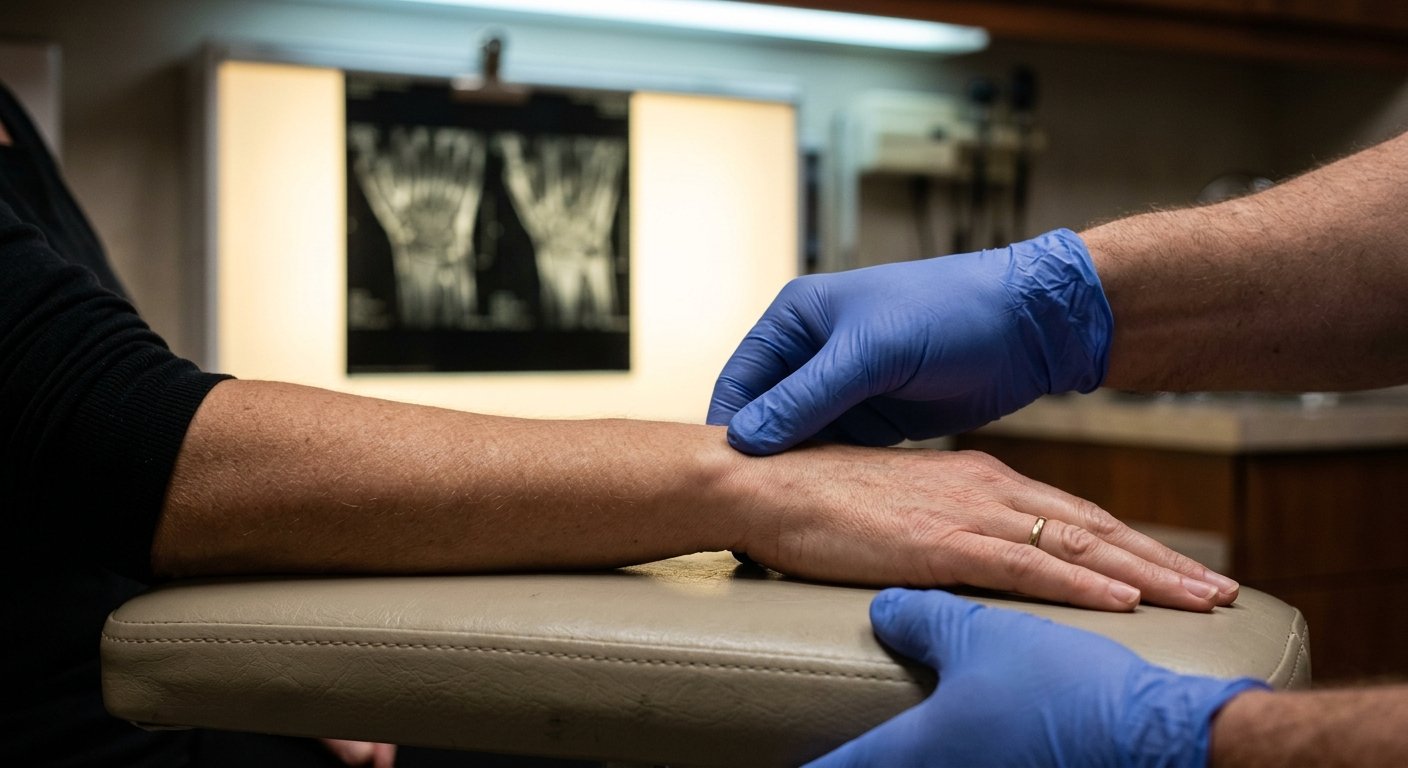
Soft tissue strains that resolve in a week are different from herniated discs, traumatic brain injuries, fractures, or injuries requiring surgery. If your condition has required emergency care, ongoing specialist treatment, imaging, physical therapy, or has kept you out of work, the financial stakes of your claim are significantly higher — and the complexity of proving those damages typically requires legal experience.
This is one of the clearest signs you need an attorney: the more serious the injury, the more important it is to have someone who understands how to document medical causation, calculate future losses, and present that evidence convincingly.
Sign 3: Liability Is Disputed or Unclear

Florida follows a modified comparative negligence standard, as codified in Florida Statute § 768.81. Under that law, if you are found to be more than 50 percent at fault for your own injuries, you may be barred from recovering any compensation. Insurers are aware of this rule. When liability is contested — when there is a dispute over who caused the accident — that comparison of fault becomes a central battleground.
If the other party or their insurer is already suggesting you share responsibility, that is a direct sign you need legal representation before the situation deteriorates further.
When fault is in dispute, every statement you make and every delay in retaining counsel can shift the legal landscape against you.
Sign 4: You Have Missed Time from Work
Lost wages are a recoverable element of damages in Florida personal injury claims — but documenting them properly requires more than a pay stub. If you are self-employed, work irregular hours, or have missed promotional opportunities due to your injuries, calculating and proving economic loss becomes more involved. An attorney can engage economic experts, gather employer documentation, and present lost earning capacity in a format that withstands scrutiny.
Do not assume that because your employer was understanding or because you used sick leave your lost income cannot be recovered. The fact that you lost earning time because of someone else’s negligence is what matters legally.
Keep a written log of every day you missed work, every medical appointment, every expense related to your injury, and every limitation you experience in daily activities. This documentation, started early, becomes evidence later.
Sign 5: The Accident Involved a Commercial Vehicle, Government Entity, or Multiple Parties
Not all accident claims involve two private individuals. If you were struck by a delivery truck, a rideshare vehicle, a commercial bus, or a vehicle operated by a government agency, the legal landscape changes substantially. Claims involving government entities in Florida must follow specific notice requirements under the Florida Tort Claims Act. Claims against commercial operators may involve federal motor carrier regulations, corporate insurance structures, or multiple liable parties.
These cases require early investigation and legal knowledge that goes well beyond a standard two-car collision claim. If your accident involved any of these circumstances, do not wait — contact our South Florida legal team promptly.
Sign 6: You Have Been Offered a Quick Settlement
A fast settlement offer from an insurer — made before your treatment is complete — is a significant warning sign. Insurers sometimes make early offers precisely because the full extent of your injuries has not yet been determined. Accepting a settlement closes your claim permanently, regardless of what medical developments follow.
This is particularly relevant in Broward County accident cases involving spinal injuries, concussions, or soft tissue damage, where symptoms can evolve over weeks or months. A licensed Florida personal injury attorney can advise you on whether an offer reflects the true value of your claim before you accept it.
Receive and preserve the offer in writing
Do not respond or acknowledge the offer verbally. Request it in writing and keep all documentation.
Complete your medical evaluation
No settlement should be accepted until treating physicians have provided a clear diagnosis and prognosis.
Consult an attorney before responding
A personal injury attorney can assess whether the offer is fair relative to your documented damages and future needs.
Sign 7: You Are Unsure of Your Rights
This may be the most overlooked sign — and one of the most common. Many people injured in Lauderhill, Fort Lauderdale, and communities across Florida simply do not know whether they have a viable claim, what it might be worth, or how Florida law applies to their specific situation. Uncertainty itself is a reason to consult an attorney, not a reason to wait.
A free consultation does not obligate you to proceed. It gives you information so you can make an informed decision. DiStefano Law offers consultations at no charge, and our firm handles personal injury cases on a contingency fee basis — meaning there is no attorney fee unless we recover compensation for you. We also serve Spanish-speaking clients and can accommodate consultations en español.
If you are a family member researching options on behalf of someone who was injured or lost a loved one due to negligence, the same applies. Wrongful death claims in Florida are governed by Florida Statute § 768.21, and eligible survivors have specific legal rights that are time-sensitive. Early legal guidance protects those rights.
Florida’s Statute of Limitations: Why Timing Matters
Florida law imposes a two-year statute of limitations on most personal injury and wrongful death claims, measured from the date of the injury or death. Missing that deadline — regardless of how strong your case may be — generally results in a permanent bar to recovery. This is not a deadline to approach casually or without legal counsel guiding the process.
Do not delay in seeking legal advice. The earlier an attorney becomes involved, the more time there is to gather evidence, interview witnesses, obtain records, and build a thorough claim on your behalf.
Frequently Asked Questions
How do I know if my accident case is worth pursuing?
If you suffered real injuries, missed work, incurred medical expenses, or experienced pain and limitations as a result of someone else’s negligence, your situation likely warrants legal evaluation. A free consultation with a licensed Florida personal injury attorney can help you understand whether a viable claim exists and what it may involve.
What if I was partially at fault for the accident?
Florida’s modified comparative negligence law allows you to recover compensation even if you share some fault — provided you are not found more than 50 percent responsible. An attorney can evaluate the facts, advise on how fault may be allocated, and advocate for the most accurate assessment of your role in the incident.
Can I afford a personal injury attorney?
DiStefano Law handles personal injury cases on a contingency fee basis, meaning you pay no attorney fees unless and until we recover compensation for you. The initial consultation is also free. Cost should not be a barrier to understanding your legal rights.
How soon should I contact a lawyer after an accident?
As soon as possible. Evidence fades, witness memories diminish, and insurance adjusters begin building their files immediately after an accident occurs. Early legal involvement allows an attorney to preserve critical evidence and guide your decisions before they affect your claim.
Does DiStefano Law serve clients outside of Fort Lauderdale?
Yes. DiStefano Law represents injured clients throughout Florida from its Broward County office in Lauderhill, including clients in Orlando, Port St. Lucie, Naples, Fort Myers, and Sarasota. Many clients work with the firm entirely by phone, email, and video.
Get a Free Case Evaluation Today
If any of these seven signs apply to your situation, speaking with a licensed Florida personal injury attorney costs you nothing — and may protect everything.

Robert DiStefano, Esq.
For more than 40 years, Robert DiStefano has represented South Florida accident victims in claims against insurance carriers. From his Fort Lauderdale office, he has personally handled motor vehicle, premises liability, medical malpractice, catastrophic injury, aviation, and wrongful death cases — recovering more than $100 million for the people he represents. More about Robert →